
Table of Contents
What is Cloud/DevOps Implementation?
Cloud/DevOps implementation means: Combining cloud infrastructure with DevOps practices to automate software delivery.
Core goals:
- faster deployment
- fewer errors
- continuous improvement
DevOps Lifecycle Explained
The DevOps lifecycle consists of:
- Planning
- Development
- Integration
- Testing
- Deployment
- Monitoring
Real DevOps Workflow (Step-by-Step)
1: Code Development
- Developers write code
- Store in Git repositories
Tools:
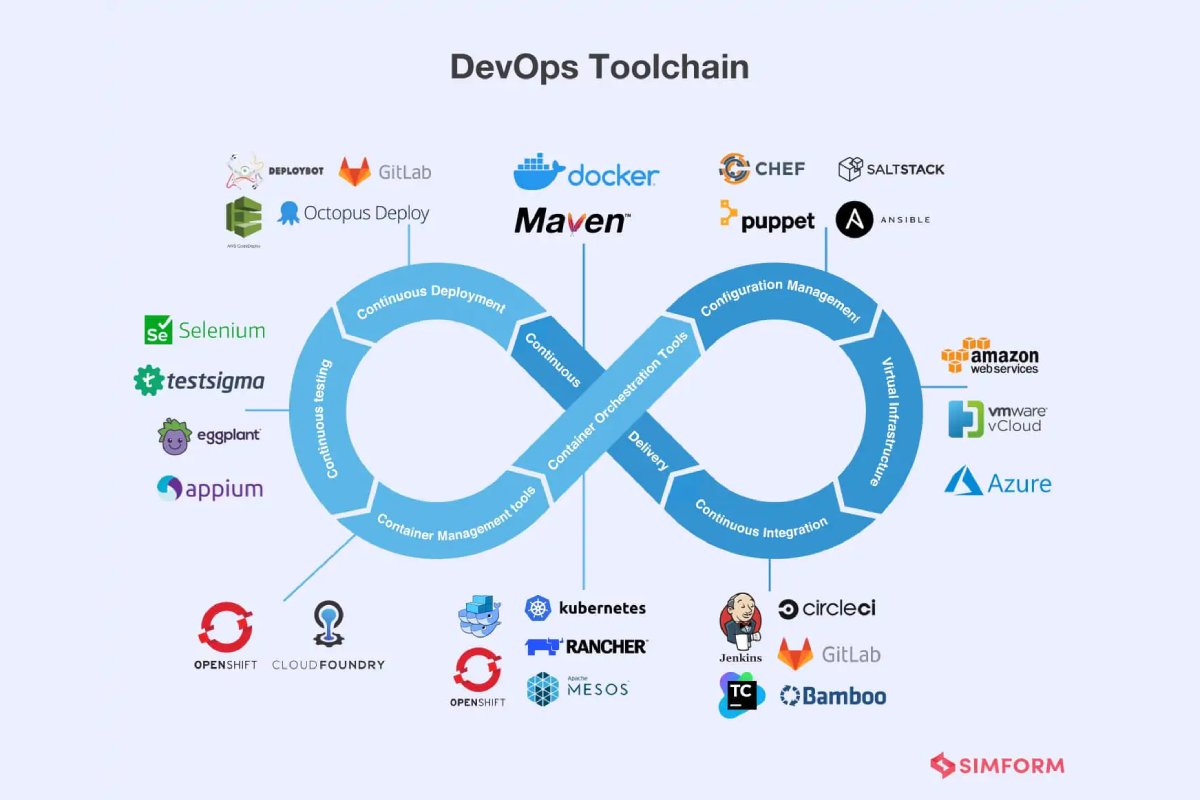
- GitHub
- GitLab
2: Continuous Integration (CI)
- code is automatically tested
- builds are created
Tools:
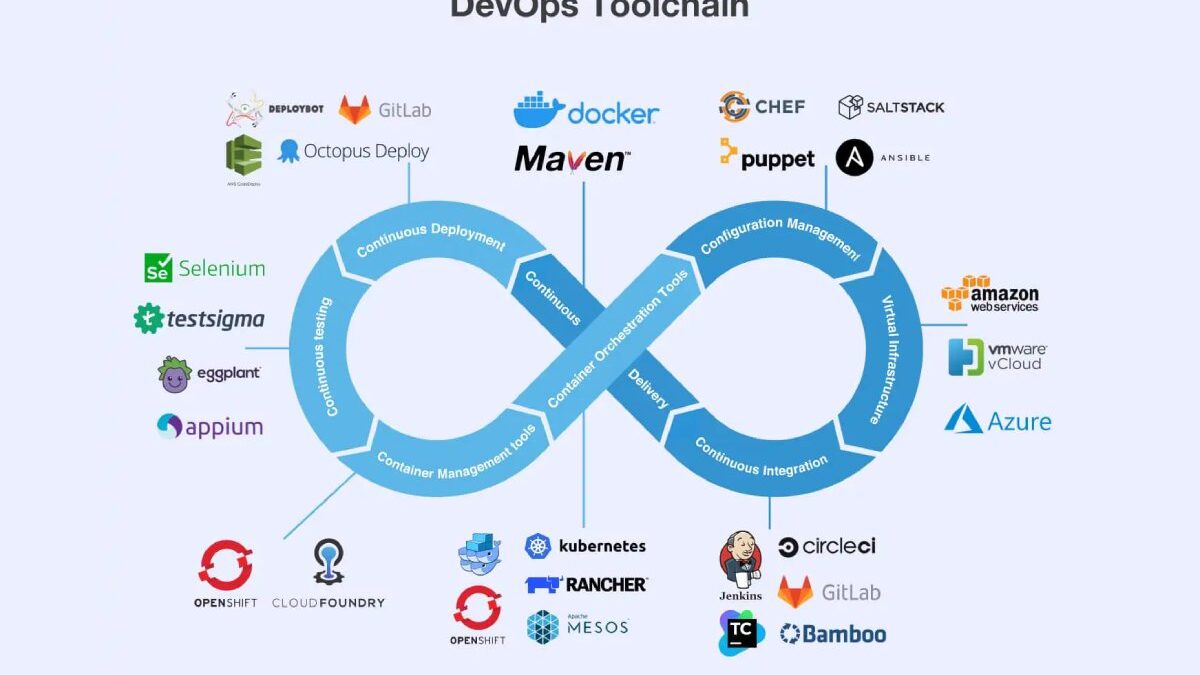
- Jenkins
- GitHub Actions
3: Testing
- unit testing
- integration testing
4: Continuous Deployment (CD)
- deploy to staging/production
Tools:
- Docker
- Kubernetes
5: Monitoring
- track performance
- detect issues
Tools:
- Prometheus
- Grafana
CI/CD Pipeline Workflow
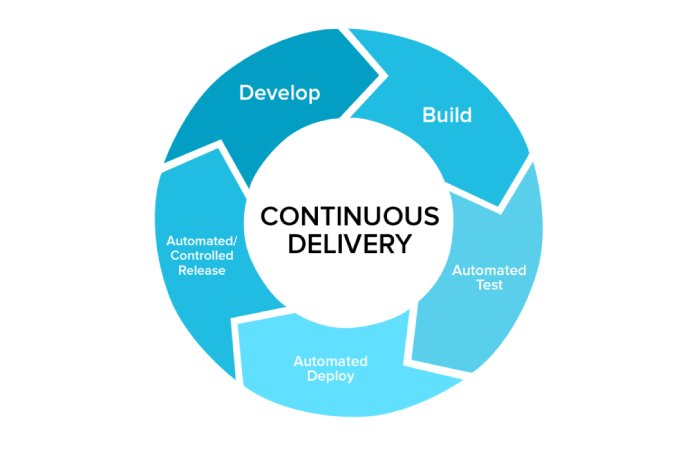
Code → Build → Test → Deploy → Monitor
This pipeline ensures:
- faster releases
- fewer bugs
Cloud Infrastructure Setup Guide
1: Choose Cloud Provider
- AWS
- Azure
- Google Cloud
2: Setup Infrastructure
- virtual machines
- networking
- storage
3: Infrastructure as Code
Use tools like:
- Terraform
- CloudFormation
DevOps Implementation Checklist
Planning
- define goals
- select tools
Development
- version control setup
CI/CD
- pipeline configured
Deployment
- automated deployment
Monitoring
- logging enabled
Common Mistakes & Fixes
No Automation
Fix: Implement CI/CD pipelines
Poor Monitoring
Fix: Use monitoring tools
Real-World Example
A startup implements DevOps:
- uses GitHub
- sets Jenkins pipeline
- deploys on AWS
- monitors via Grafana
Result:
- faster releases
- reduced downtime
DevOps vs Platform Engineering
| Aspect | DevOps | Platform Engineering |
| Focus | Culture & collaboration | Self-service infrastructure |
| Goal | Break down silos | Reduce cognitive load |
| Primary Users | Dev + Ops teams | Developers (via platform) |
| Approach | Shared responsibility | Abstraction layer |
| Emergence | ~2008-2010 | ~2020-2022 |
What is DevOps?
- Cultural movement emphasizing collaboration
- CI/CD, automation, shared ownership
- “You build it, you run it” philosophy
What is Platform Engineering?
- Building Internal Developer Platforms (IDPs)
- Self-service infrastructure for developers
- Platform team serves developer teams
- Examples: Backstage, Port, Kratix
5 Key Differences
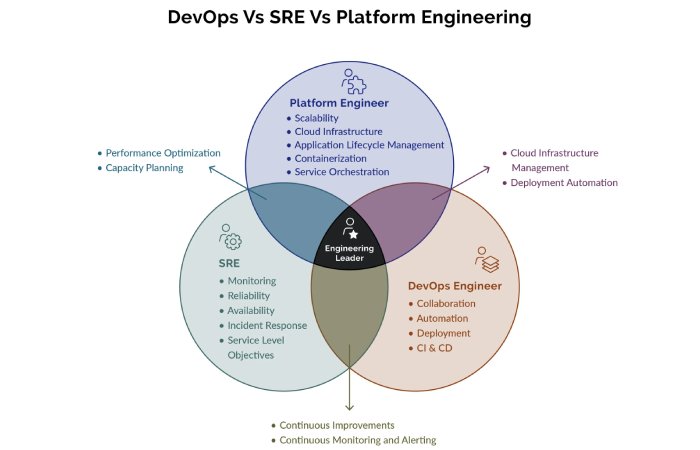
- Scope: DevOps = methodology; Platform Engineering = discipline
- Cognitive Load: DevOps increases complexity; Platform reduces it
- Responsibility Model: DevOps = shared; Platform = separation of concerns
- Tooling: DevOps = many tools; Platform = unified interface
- Maturity: DevOps = established; Platform = emerging
Why Platform Engineering Emerged
- DevOps fatigue: developers overwhelmed with operations
- Tool sprawl (avg team uses 15+ tools)
- “Golden path” concept
- Developer experience (DevEx) movement
When to Use DevOps vs Platform Engineering
DevOps when:
- Small team (< 20 engineers)
- Simple infrastructure
- Early-stage startup
- Need cultural transformation first
Platform Engineering when:
- Multiple teams (50+ engineers)
- Complex multi-cloud environments
- High developer cognitive load
- Standardization needed
Both when:
- Scaling rapidly
- DevOps culture established but execution struggling
- Ready to invest in platform team
How They Work Together
- Platform Engineering implements DevOps principles
- Not replacement but evolution
- Platform team enables DevOps at scale
Final Thoughts
Cloud/DevOps is not just tools, it’s a process and culture.
Success depends on:
- automation
- collaboration
- continuous improvement
FAQ
- What is DevOps implementation?
It is the process of integrating development and operations for faster delivery.
- What tools are used in DevOps?
Git, Jenkins, Docker, Kubernetes, and cloud platforms.
- What is CI/CD?
Continuous Integration and Continuous Deployment.
- How long does DevOps implementation take?
Typically weeks to months depending on complexity.
- Is DevOps only for large companies?
No, even small teams can benefit.
- What is the biggest challenge in DevOps?
Cultural change and automation setup.
- Can beginners implement DevOps?
Yes, with the right tools and guidance.