
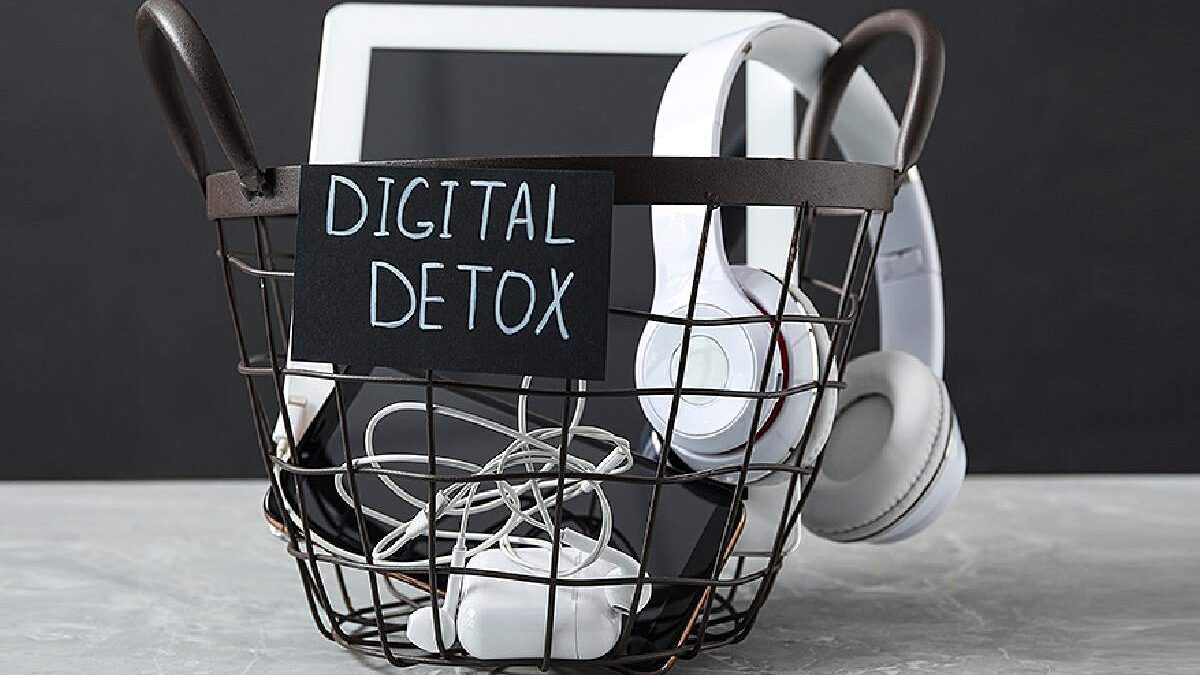

Digital Detox 2026: Complete Guide to Reducing Screen Time & Reclaiming Focus
Digital detox is more than a trend—it’s becoming a necessity. The average person now spends 7+ hours daily on digital devices. That’s nearly a third of your waking life staring at a screen.
Here’s the paradox: technology can actually help you use technology less. This guide shows practical strategies and the best tools to reduce screen time, improve mental health, and regain control of your attention in 2026. You don’t need to quit technology entirely—just use it more intentionally.
Related Guides: Complement this with our 15 Essential Tech Skills to Learn in 2026 to develop better tech habits, or explore Best Tech Gadgets January 2026 to make intentional device choices. For budget-friendly audio alternatives, check Rs 119 Wireless Earbuds For Gaming, and learn How to Learn Coding at Home to build skills during your tech-free time.
This article belongs to Tech Guides
Table of Contents
WHY DIGITAL DETOX MATTERS IN 2026
The Problem: We’re more connected than ever, but lonelier. We have unlimited information, but worse focus. We have smartphones, but we’re less smart about using them.
The Research Evidence:
-
Reducing screen time improves sleep quality by 23%
-
Increases productivity by 31%
-
Boosts mental health scores significantly
-
The average person checks phone 352 times per day (once every 2 minutes)
- Online entertainment can take many forms, including social media, streaming, gaming, and other internet-based activities. If you’re auditing how you spend time online, it can be useful to recognize all types of digital entertainment rather than focusing only on social media. For example, our guide to Mitosbet Gacor Slot Site discusses online slot platforms and the importance of understanding the risks associated with online gambling.
-
Phone picked up 96 times per hour when awake
The Hidden Truth: Apps are literally designed to be addictive. They use dopamine triggers—notifications, likes, comments—to keep you hooked. You’re not weak; the technology is deliberately engineered to capture your attention.
The Real Solution: Digital detox isn’t about total abstinence. It’s about intentional use. Technology should serve you, not the reverse.
STEP 1: AUDIT YOUR CURRENT USAGE (Days 1-3)
Before changing anything, measure where you are. This creates awareness—and awareness drives change.
Track for 3 Days (weekend helps capture full picture):
-
Total hours on digital devices daily
-
Hours on social media specifically
-
How many times you pick up phone
-
Which app steals most time
-
Peak usage times (morning? lunch? evening?)
-
How you feel after using it (energized or drained?)
Use Built-In Tracking Tools:
| Platform | Tool | How to Access |
|---|---|---|
| iPhone | Screen Time | Settings → Screen Time |
| Android | Digital Wellbeing | Settings → Digital Wellbeing & Parental Controls |
| Windows | Activity History | Settings → System → Activity History |
| Mac | Screen Time | System Preferences → Screen Time |
What to Track (typical time-wasters):
-
Social media: Instagram, TikTok, Facebook, Twitter/X
-
Entertainment: YouTube, Netflix, Gaming apps
-
Messaging: WhatsApp, Telegram, Discord
-
Work: Slack, Email, Microsoft Teams
-
News: News apps, Reddit, Hacker News
The Wake-Up Call: Most people are shocked by what they find. The average person wastes 4+ hours daily on social media alone. Screen Time reports make this impossible to ignore.
Analysis Questions:
-
Which 3 apps consume most time?
-
When is your peak usage time?
-
Which activities feel satisfying vs. regrettable?
-
How much is work vs. leisure?
-
How much is active (creating) vs. passive (consuming)?
Your audit data becomes your baseline. After implementing changes, you’ll measure against this.
STEP 2: USE TECHNOLOGY TO REDUCE TECHNOLOGY
The paradox: technology is your biggest ally in digital detox.
App Blockers (Enforce Boundaries Automatically)
Freedom ($7/month or $60/year):
-
Block apps during specific hours (9AM-5PM workdays)
-
Block websites (especially social media)
-
Set recurring schedules automatically
-
Works across all devices (phone, tablet, computer)
-
“Hard lock” mode prevents disabling even with willpower
How to use: Block Instagram, TikTok, YouTube 9AM-5PM on weekdays. Block all apps after 10PM for sleep. Result: you gain 2-3 hours daily.
Cold Turkey ($39 one-time purchase):
-
Extreme blocker for Windows/Mac
-
Once activated during scheduled time, can’t be undone
-
Perfect for people who need accountability
-
Free version available with limited features
When to choose: Cold Turkey for maximum willpower enforcement (can’t disable when tempted).
Screen Time Trackers (Make It Visible)
iOS Screen Time (Built-in, Free):
-
Shows daily app breakdown with exact hours
-
Set app limits (auto-stops after limit)
-
Downtime feature (makes phone unusable except calls)
-
Weekly reports showing trends
Android Digital Wellbeing (Built-in, Free):
-
App usage showing pickup counts and duration
-
Dashboard widget for at-a-glance tracking
-
Bedtime mode (reduces blue light, silences notifications)
-
App timers (auto-limit access)
Why it works: Measurement drives change. Seeing “YouTube: 3h 45m” in black and white is motivating in ways promises aren’t.
Notification Managers (Reduce Interruptions)
Daywise ($5/month):
-
Smart notification batching (see all notifications only 3 times daily)
-
Reduces constant interruptions
-
Whitelist important contacts (calls/texts always get through)
-
Increases focus, decreases phone checking
Flow (Free):
-
Advanced Do Not Disturb scheduling
-
Focus blocks (work time, sleep time, personal time)
-
Automatically routes to voicemail except whitelisted contacts
-
Everything else waits until you’re ready
Impact: 40% of screen time is just checking notifications. Batching them reduces phone checks by 10x.
Browser Extensions (Block Distracting Websites)
| Extension | Platform | Cost | Best For |
|---|---|---|---|
| StayFocusd | Chrome | Free | Website blocking + time limits |
| LeechBlock NG | Firefox/Chrome | Free | Customizable rules |
| Freedom Blocker | Chrome | Free tier | Website + app blocking |
| Cold Turkey | Windows/Mac | $39 | Extreme blocking |
Example Blocks:
-
YouTube.com: blocked 9AM-5PM (work hours)
-
Reddit.com: blocked all weekdays
-
Twitter.com: blocked except 6-7PM
-
Facebook.com: blocked except weekends
STEP 3: CREATE TECH-FREE ZONES & TIMES
Some boundaries can’t be enforced by apps—they need human discipline.
Tech-Free Zones
| Zone | Why | Impact |
|---|---|---|
| Bedroom | Phone presence reduces sleep quality (even off) | Better sleep, improved mood |
| Dining Table | Phones during eating increase calories by 40% | Better digestion, satisfaction |
| Bathroom | 5-10 min break from screens | Mental reset, presence |
| Car | Safety + undivided attention | Safer, more present |
| Living Room | Family time without interruption | Stronger relationships |
Creating a healthier digital environment isn’t only about reducing screen time. Keeping the spaces and surfaces around your frequently used devices clean can also make your workspace more comfortable. For practical cleaning ideas, see our guide to Shima multipurpose cleaner.
Implementation: Charge phone in another room. Use old-school alarm clock. This forces morning to start tech-free.
Tech-Free Times
First 30 Minutes After Waking:
-
Brain enters reactive mode if you check immediately
-
Instead: exercise, meditation, breakfast, journaling
-
Result: better focus all day (cortisol levels reset differently)
Last 60 Minutes Before Sleep:
-
Blue light disrupts melatonin production
-
Affects sleep quality 2-3 hours after screen use
-
Result: 1-2 extra hours of quality sleep nightly
Weekends:
-
No email, social media, or work apps
-
Actual disconnection, not just switching apps
-
Result: mental restoration, better mood, creativity
Vacations:
-
Real break from work
-
Different brain state when completely offline
-
Result: genuine rest, return with fresh perspective
STEP 4: REPLACE THE BEHAVIOR
You can’t just quit a habit—you have to replace it with something equally rewarding.
Dopamine Alternatives
| Instead of… | Do This Instead | Why It Works |
|---|---|---|
| Scrolling social media | Read physical book | Similar time investment, builds focus |
| Binge-watching | Workout/exercise | Releases dopamine naturally |
| Doomscrolling news | News podcast (curated) | Get info without addiction mechanics |
| Gaming apps | Board games with friends | Social connection + fun |
| Random web browsing | Learn new skill | Rewarding progress feeling |
| Phone checking | Meditation/journaling | Dopamine from mindfulness |
The Dopamine Equation: Scrolling feels good because of engineered dopamine hits (notifications, likes, surprises). Replacing with equally rewarding activities works better than white-knuckling willpower.
Best Alternatives:
-
Reading (books, audiobooks)
-
Physical exercise
-
Hobbies (cooking, music, art)
-
Social connection (phone calls, in-person time)
-
Learning (courses, podcasts on skill) – see How to Learn Coding at Home for structured learning
-
Meditation/journaling
-
Board games, card games
STEP 5: OPTIMIZE YOUR PHONE (Make It Boring)
Your phone doesn’t have to be a distraction tool. You can redesign it.
Grayscale Display (Remove Visual Appeal)
iPhone: Settings → Display → Color Filters → Grayscale
Android: Settings → Digital Wellbeing → Color → Grayscale
Why it works: Apps are designed with bright colors to be addictive. Grayscale removes visual appeal. Your phone becomes boring. You check it 40% less.
Delete or Disable Notifications
Keep notifications ONLY for:
-
Text messages (actual human communication)
-
Phone calls
-
Important work alerts
-
Calendar reminders
Delete notifications for:
-
News apps (news waits)
-
Social media (none of this is urgent)
-
Games (not needed)
-
Shopping apps (marketing, not value)
-
Most entertainment apps
Result: 80% fewer phone checks per day.
Remove Home Screen Apps
Your smartphone is one of the main devices involved in daily screen time, so making it less distracting starts with understanding how you use and maintain it. Beyond changing your software settings, practical accessories can also improve everyday phone use. For example, check out our OnePlus Nord CE 3 Lite back cover guide for information about protecting a frequently used smartphone.
Essential apps only:
-
Phone
-
Messages
-
Email
-
Maps
-
Calendar
-
Camera
-
Health
Delete or move to later screens:
-
Social media apps (use website instead)
-
Games (less convenient = less playing)
-
News apps (open browser only when intentional)
-
Entertainment (access via browser, not app)
The Friction Principle: If you need to log into a website instead of opening an app, you’ll do it 70% less often. Friction is your friend.
Dark Mode (Reduce Blue Light + Appeal)
-
Settings → Display → Dark Mode
-
Less visually appealing
-
Reduces blue light (better for sleep)
-
Easier on eyes
30-DAY DIGITAL DETOX PLAN
Week 1: Audit & Awareness (Days 1-7)
| Day | Action | Time | Goal |
|---|---|---|---|
| 1-3 | Track current usage (no changes) | 15 min | Establish baseline |
| 4-7 | Install blockers, enable Screen Time | 30 min | Set up infrastructure |
Expected: Awareness of how much time you’re spending.
Week 2: Reduce Access (Days 8-14)
| Day | Action | Time | Goal |
|---|---|---|---|
| 8-10 | Delete apps from phone or disable notifications | 20 min | Make apps inconvenient |
| 11-14 | Create tech-free zones (bedroom, dining table) | 10 min | Establish boundaries |
Also this week: Block social media 9AM-5PM using Freedom or Cold Turkey.
Expected: 20-30% reduction in screen time already.
Week 3: Replace Habits (Days 15-21)
| Day | Action | Time | Goal |
|---|---|---|---|
| 15-17 | Identify trigger times (when you reach for phone most) | 5 min | Find patterns |
| 18-21 | Have replacement activity ready for each trigger | Ongoing | Fill the void |
Trigger mapping:
-
Bored? → Read, exercise, walk
-
Anxious? → Meditate, journal, call friend
-
Procrastinating? → 5-minute focused work session
-
Before bed? → Read book, stretching
Expected: New habits forming, urges weakening.
Week 4: Optimize & Sustain (Days 22-30)
| Day | Action | Time | Goal |
|---|---|---|---|
| 22-26 | Evaluate what worked, what’s hard | 10 min | Identify wins |
| 27-30 | Adjust settings, refine routines | Ongoing | Build sustainable habits |
Expected Results by Day 30:
-
✅ 20-40% reduction in screen time
-
✅ Better sleep (falling asleep faster, deeper sleep)
-
✅ Improved focus (concentration longer on single task)
-
✅ More time for hobbies, relationships, rest
-
✅ Less anxiety and FOMO
-
✅ Better mood overall
COMMON OBJECTIONS & ANSWERS
| Objection | Answer | Reality Check |
|---|---|---|
| “Will I miss important things?” | No. Urgent = call/text. Important reaches you through chosen channels. | Nothing critical comes through social media. Ever. |
| “My job requires me online 24/7” | Batch your work. Specific email/Slack times, not constant checking. | Studies show batching actually increases productivity 31% |
| “Is it okay to keep social media but limit it?” | Yes. 20 min/day with timer is sustainable for many. | Some people successfully maintain small social presence. |
| “What about emergencies?” | Real emergencies: family calls. You don’t miss those. | Staying online 24/7 doesn’t help emergencies anyway. |
| “Can I do complete detox?” | Yes, weekend detoxes work. Most find balance more sustainable. | Start with 1 tech-free day/week, build up. |
| “How long to break addiction?” | 21-66 days depending on severity. Weeks 1-2 are hardest. | Gets much easier after week 3. |
TOOLS SUMMARY & COSTS
Completely Free:
-
iOS Screen Time
-
Android Digital Wellbeing
-
StayFocusd (Chrome extension)
-
LeechBlock NG (Chrome/Firefox extension)
-
Cold Turkey (free version)
-
Flow (free basic version)
Worth Paying For (optional):
-
Freedom: $60/year (best all-around)
-
Cold Turkey: $39 one-time (most extreme)
-
Daywise: $5/month (notification batching)
Total Cost for Complete Setup: $0-70/year
That’s less than a coffee per week to gain 20+ hours monthly. Best investment possible.
THE REAL BENEFIT
The goal isn’t to quit technology. It’s to use it on your terms, not its terms.
Technology should:
-
Enhance your life
-
Connect you to people you care about
-
Help you learn and grow
-
Enable your work productively
-
Entertain when you choose
Technology shouldn’t:
-
Steal your attention involuntarily
-
Manipulate you with notifications
-
Make you anxious or inadequate
-
Prevent quality sleep
-
Control your time without permission
January 2026 is the perfect time to reclaim control. The good news: it’s easier than ever with available tools. The better news: benefits are immediate.
-
Better sleep: 3 days
-
Improved focus: 1 week
-
Happier mood: 10 days
-
Real life improvements: 30 days
FAQ
Q1: Will I really miss important things if offline?
A: No. Urgent = calls/texts. Important information reaches you through your chosen channels (newsletter, news podcast, email). Nothing critical ever arrives through social media first.
Q2: What if my job requires constant connectivity?
A: Even then, batch your work. Set specific times for email/Slack (e.g., 9-10AM, 12-1PM, 4-5PM) instead of constant checking. Studies show batching actually increases productivity 31%.
Q3: Is it okay to keep social media if I just use it less?
A: Absolutely. You don’t need to delete anything. Use timers and blockers. Some people successfully maintain 20 minutes/day and are satisfied.
Q4: How do I handle real emergencies?
A: Real family emergencies = people call you. WhatsApp and Messenger messages still come through. You don’t miss actual emergencies by being intentional about tech.
Q5: Can I do a complete digital detox?
A: Some people do weekend detoxes (zero tech). Most find intentional use more sustainable than extreme abstinence. Start small.
Q6: How long does it take to break phone addiction?
A: 21-66 days depending on severity. Expect difficulty weeks 1-2, then it gets much easier. By week 4, new habits feel normal.
NEXT STEPS: START THIS WEEK
Pick one action from each category:
-
Tracker: Enable Screen Time (iPhone) or Digital Wellbeing (Android)
-
Blocker: Install Freedom ($0 trial available)
-
Zone: Choose one tech-free zone (bedroom is easiest)
-
Habit: Identify one replacement activity
That’s it. Four small actions. Measurable change in 7 days.
Your future self—better rested, more focused, more present—is waiting.
RELATED RESOURCES
Develop Better Tech Habits:
-
15 Essential Tech Skills to Learn in 2026 – Use technology intentionally for growth
-
Best Tech Gadgets January 2026 – Choose devices that support your goals
-
AI Course Syllabus 2026 – Learn how AI works (and how it influences you)
From Techies Times:
-
How to Learn Coding at Home – Build programming skills during tech-free time
-
Rs 119 Wireless Earbuds For Gaming – Budget audio alternatives for intentional listening
-
Latest Technology & Gadgets – Stay informed on tech developments mindfully
-
Mini Gadgets Guide – Explore minimalist tech tools
-
PoE Device Installation – Technical skills for intentional learning