
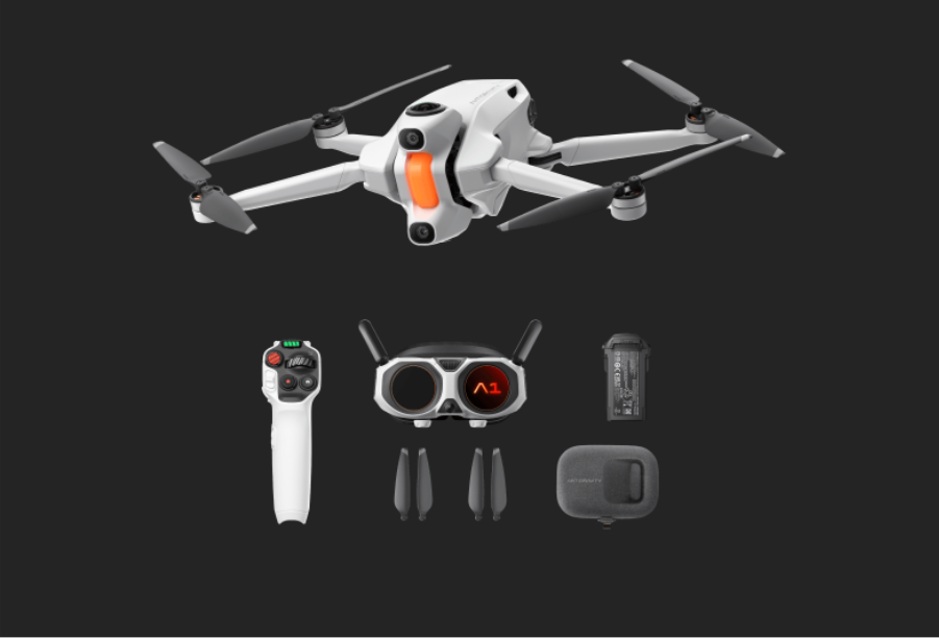
Which compact drone gives you the most creative options for travel photography? The Antigravity A1 is our pick if you want to capture a mountain pass or coastline in 360° and choose the framing later. For aerial photography on a trip where you mostly shoot conventional RAW stills, the DJI Mini 5 Pro is a compact fit. The DJI Air 3S is better suited to outdoor landscapes when you want to isolate distant features with a telephoto view.
Table of Contents
Key Takeaways
- The Antigravity A1 gives you a 360° view of the location and lets you make wide and vertical edits from one video recording.
- The DJI Mini 5 Pro suits travelers who want to frame and shoot conventional RAW stills in flight.
- The DJI Air 3S is useful for outdoor landscapes that call for both wide and telephoto views. Compare the weight of the full kit before you pack.
Which compact drone offers the most creative travel photography options?
Choose the Antigravity A1 when you want to tell more than one story about the same place. On a coastal flight, capture the headland and the bay in one 360° recording. In editing, frame a wide view for a travel recap and a vertical view that follows the coastline for a short clip. Both edits still depend on the path you flew, so pick a simple route with an unobstructed view of the scene.
What the Antigravity A1 Captures
The Antigravity A1 records 360° video in 8K at up to 30 fps or 5.2K at up to 60 fps. Its published photo modes are 55 MP and 14 MP, and the specifications list INSP and DNG photo formats. Use the Antigravity app or Antigravity Studio to work with the 360° files and export a shot. The camera’s headline resolution covers the full sphere. Check a sample crop before planning a large print or a tightly framed video.
What You’ll Carry
The aircraft weighs 249 g at takeoff with the Flight Battery and 291 g with the High-Capacity Flight Battery. Antigravity rates those configurations for up to 24 and 39 minutes respectively in windless tests with recording disabled. The FreeMotion setup also uses the Grip Motion Controller and Vision Goggles. Count those items and any spare batteries when comparing kits for a long walk.
Which drone is best for shooting landscapes outdoors?
For a landscape that surrounds the aircraft, take the A1. For individual stills of a distant peak, cliff face, or layered hillside, take the Air 3S for its 70 mm-equivalent secondary camera. For high-resolution stills intended for large prints, consider the Mavic 4 Pro if you can carry the extra weight.
Six Travel Drones Compared by Shooting Style
Choose by the shots you want to make and how much editing you want to do after the trip. The table lists official aircraft weights and maximum flight times, which manufacturers measure under different conditions.
| Drone | Best use | Takeoff weight | Max. flight time |
| Antigravity A1 | 360° landscapes and post-flight reframing | 249 g standard; 291 g high-capacity | 24 min standard; 39 min high-capacity |
| DJI Mini 5 Pro | Conventional RAW and native vertical shots | Approx. 249.9 g ± 4 g | 36 min with standard battery |
| DJI Air 3S | Wide and telephoto views | 724 g | 45 min |
| DJI Mavic 4 Pro | High-resolution stills and large prints | Approx. 1,063 g | 51 min |
| DJI Flip | Quick automated vacation clips | Under 249 g | 31 min |
| Potensic ATOM 2 | Entry-level stabilized 4K and RAW stills | Under 249 g with stock equipment | 32 min |
DJI Mini 5 Pro for a Compact RAW Workflow
The Mini 5 Pro is the travel pick for photographers who prefer to compose in flight. Its 1-inch camera supports DNG RAW and native vertical shooting. DJI lists approximately 249.9 g with the standard battery, with a ±4 g variation. Check the actual takeoff weight if you intend to fly under a weight-based rule.
DJI Air 3S and Mavic 4 Pro for Dedicated Photo Trips
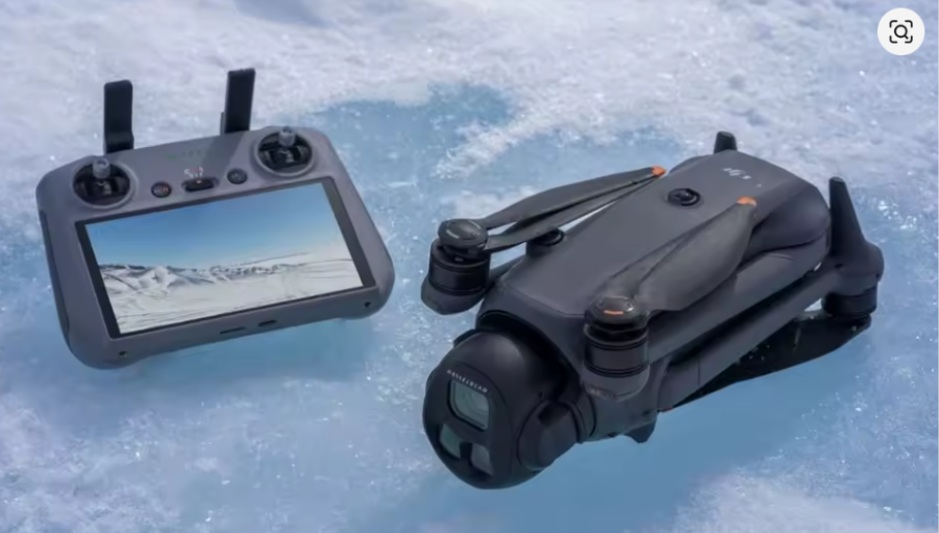
The Air 3S gives you a 1-inch wide camera plus a medium telephoto view for isolating distant features. The Mavic 4 Pro uses a Four Thirds main camera with a 100 MP still mode and adds two telephoto cameras. Choose the larger drone when you have a specific need for its resolution or extra focal lengths.
DJI Flip and Potensic ATOM 2 for Simple Vacation Clips
The DJI Flip suits quick automated clips and features full-coverage propeller guards. The Potensic ATOM 2 is an option for travelers who want stabilized 4K without paying for a multi-camera system. It also offers JPG plus DNG capture. It lacks obstacle avoidance, so choose an open area and leave room around obstacles.
What is the best drone for aerial photography while traveling?
Choose the DJI Mini 5 Pro if most of your trip is about making conventional aerial stills. If you want a 360° record of a location and the option to create several crops from the same footage, the Antigravity A1 is the better fit. Decide before you pack whether that flexibility is worth carrying the goggles and spending more time on the edit.
How to Plan and Pack for the Shots You Want
Plan Around the Whole Camera Kit
Pack the aircraft, controller, batteries, charger, and a protective case together before comparing setups. If the route involves exposed ridges or a long walk, carry only the equipment you’ll use. Check the forecast, site rules, and whether there’s a clear place to launch and land.
For a Short Stop, Pick One Shot Before Launching
Decide whether you want a wide view, a telephoto detail, or a 360° scene for editing later. Check card space, battery level, and recording settings before takeoff. Once you’ve captured the shot, leave enough battery to return and land.
Before Flying or Boarding, Check the Rules
Check the destination’s airspace, site rules, and any import or registration requirements. Confirm how to maintain visual line of sight when using goggles, including whether a visual observer is needed. For U.S. passenger flights, put spare lithium batteries in carry-on baggage, protect their terminals, and confirm the airline’s limits.
Conclusion
Choose the drone camera around what you’ll do with the images after the trip. If you want wide and vertical versions of the same scene, 360° footage gives you room to compose both in editing. If your plan is a series of stills or a few carefully framed clips, a conventional camera may be the simpler setup. Let those choices guide what you carry and how much time you set aside to edit.
Frequently Asked Questions
What Is the Best Drone Camera for Creative Travel Photography?
The Antigravity A1 is our pick for creative 360° travel photography and video. It captures the surrounding scene so you can decide which view to show. The Mini 5 Pro is a better fit if your priority is framing traditional RAW stills during flight.
Can I Use One A1 Recording for Both Wide and Vertical Video?
Yes. You can reframe a 360° video for both wide and vertical exports. Each edit draws on part of the spherical image, so the detail you retain depends on the crop.
What Is the Difference Between a 360° Crop and a Telephoto Shot?
Cropping a 360° image changes which part of the scene is visible. A telephoto camera captures a narrower field of view from the start and is a better fit when a distant detail is the main subject.
Does the A1 Always Weigh Less Than 250 g?
It’s rated at 249 g with the Flight Battery and 291 g with the High-Capacity Flight Battery. Weigh the aircraft in the configuration you’ll fly and check the destination’s rules.